How Bad Is Traffic Really When Living in Arlington, VA?
How Bad Is Traffic Really When Living in Arlington, VA?
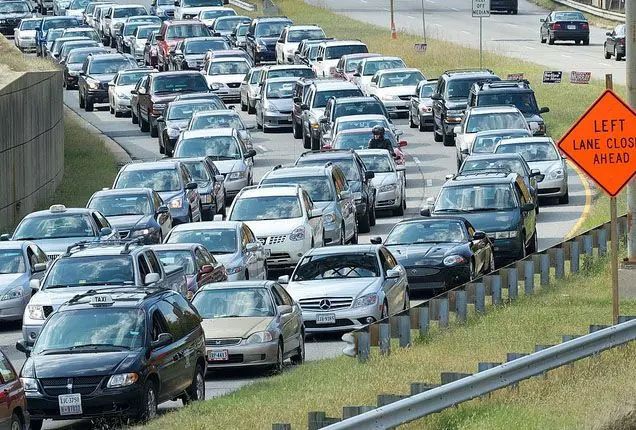
Traffic is one of the most common concerns people have before moving to Arlington. Because Arlington sits directly outside Washington DC and connects to major commuter routes, congestion is part of daily life for many residents. That said, traffic in Arlington is not one size fits all. Your experience depends heavily on where you live, how you commute, and what time of day you are on the road.
For many residents, Arlington traffic is manageable and predictable rather than constant gridlock.
TLDR
-
Traffic is busiest during weekday rush hours
-
Location and commute method make a big difference
-
Many residents avoid driving daily by using transit
-
Neighborhood choice can significantly reduce traffic stress
-
Off peak and weekend traffic is generally manageable
🚗 When Traffic Is at Its Worst
Traffic in Arlington tends to follow a predictable pattern tied to commuter flow into and out of Washington DC.
Congestion is typically highest:
-
Weekdays between 7:00 and 9:30 am
-
Weekdays between 3:30 and 6:30 pm
-
Along major corridors like I 66, Route 50, and I 395
-
Near bridges crossing into DC
Outside of these windows, traffic often eases considerably.
🚇 Transit Reduces the Impact of Traffic
One of the biggest reasons Arlington traffic feels more manageable than in other areas is access to public transportation. Many residents rely on Metro, buses, biking, or walking instead of driving.
Benefits of Arlington transit access include:
-
Multiple Metro lines throughout the county
-
Walkable neighborhoods near stations
-
Bus routes connecting local areas
-
Trails for bike commuting
Residents who live near transit often experience far less day to day traffic frustration.
🏘️ Neighborhood Choice Matters
Traffic experiences vary widely by neighborhood. Living closer to work or near a Metro station can dramatically change how often you sit in traffic.
Areas with higher walkability and transit access tend to:
-
Reduce daily car use
-
Shorten commute times
-
Limit exposure to peak traffic
-
Make errands easier without driving
Many Arlington residents prioritize location over space specifically to avoid traffic.
🕒 Weekends and Off Peak Hours
Traffic concerns are often overstated for evenings and weekends.
What residents typically notice:
-
Lighter traffic outside rush hours
-
Manageable weekend congestion
-
Easier parking in residential areas
-
Shorter travel times within the county
While special events can cause backups, daily life outside peak hours is far less stressful.
🚦 How Arlington Compares to Nearby Areas
Compared to other Northern Virginia areas, Arlington traffic is often viewed as more predictable.
Key differences include:
-
Shorter distances between destinations
-
More alternatives to driving
-
Less reliance on highways for local trips
-
More walkable errand options
While congestion exists, many residents feel Arlington offers more ways to work around it.
✨ Final Takeaway
Traffic in Arlington can be busy during peak commuting hours, but it is far from unbearable for most residents. With smart neighborhood selection, access to transit, and flexible commuting options, many people find Arlington traffic manageable and even avoidable. Understanding when and where congestion happens helps set realistic expectations before moving.
Cover image sourced from: https://www.arlnow.com/2013/07/05/arlington-projects-to-receive-funding-under-new-transportation-bill/
📍 Thinking about buying or selling in Arlington? Work with the Best Realtors in Arlington VA
📞 Sign up for our next FREE Home Buying Workshop
🏡 Explore Neighborhoods in Arlington
📅 Check out upcoming Arlington Events
🔎 Start your Property Search
💬 Book your free Discovery Call
Recent Posts