Why the Street Matters More Than the House in North Arlington
Why the Street Matters More Than the House in North Arlington
Last Updated: June 5, 2026
When DC families ask me where they should look in North Arlington, they usually start by listing what they want in a house. Open kitchen. Screened porch. Big yard. New construction if possible. I get it. I'd ask the same questions if I were leaving a rowhouse. But I tell them to back up and start somewhere else.
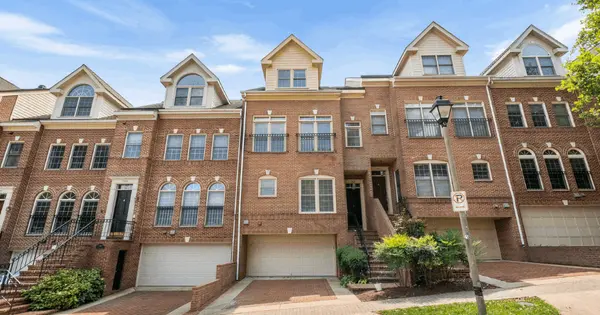
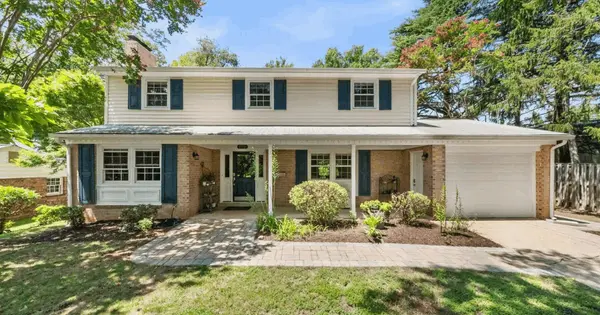
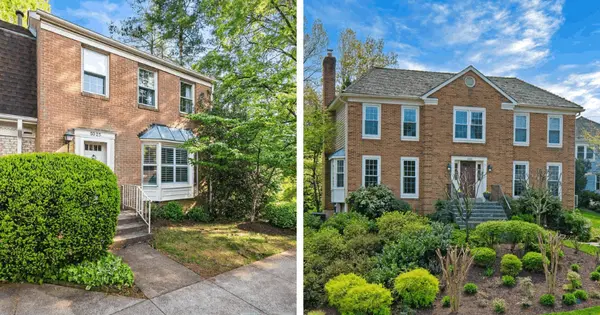
Arlington isn't a subdivision market, and that changes how you shop here. There's no master plan, no model home center, no row of similar houses on a curved street. Every block in North Arlington is its own mix: a 1950s rambler next to a brand new build, a walkable street one block, a commuter cut-through the next. The difference between living somewhere you love and somewhere you tolerate is rarely about the house itself. It's about everything around it.
TL;DR
-
North Arlington isn't built like a subdivision. Streets mix older homes and new construction on the same block.
-
Bluemont, around Westover, and East Falls Church are the quieter, family-anchored pockets.
-
Country Club Hills and Williamsburg offer leafy residential streets close to Westover Village.
-
Lyon Village is the most walkable to Metro, restaurants, and Clarendon.
-
Pick the street and the neighborhood before you fall in love with a kitchen.
North Arlington isn't a subdivision
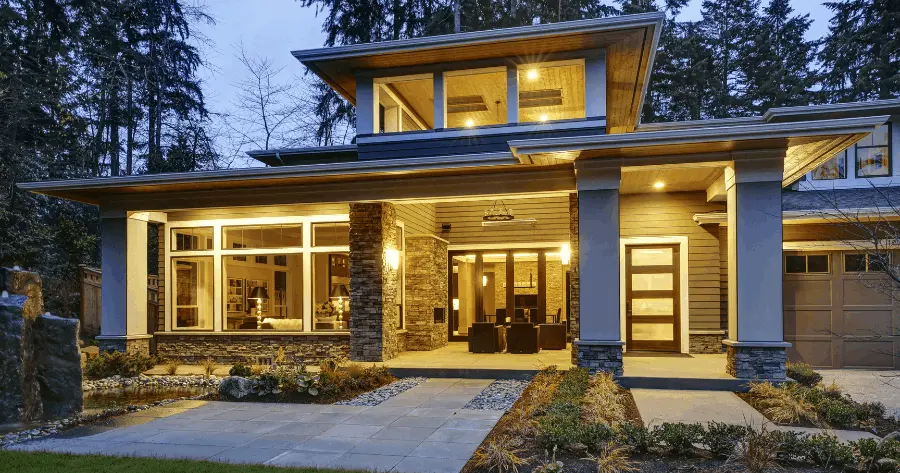
Most people moving from DC picture suburbia as something planned. North Arlington isn't that. Builders here work lot by lot, buying older homes, tearing them down, and putting up new ones on the same parcel. A brand new build doesn't come with a community pool or a row of model homes to compare. It comes with whoever your neighbors already are, the existing tree canopy, and the existing rhythm of the street. That's part of what makes the area feel like an established neighborhood and not a development.
The North Arlington neighborhoods to walk before you decide
If you're moving up from DC, these are the pockets I tell families to visit first.
Bluemont, around Westover, and East Falls Church sit at the more relaxed, family-anchored end of the area. The W&OD Trail runs through, Westover Village has a small-town shop-and-grab-coffee rhythm, and there's a real neighborhood pace on weeknights. Smaller-scale new construction still fits in here without overwhelming the street.
Country Club Hills and Williamsburg are the classic North Arlington picture: wide, leafy residential streets, mature trees, family-anchored. The pace is quieter and the lots feel bigger, but you're still minutes from anything you need.
Lyon Village is the closest thing North Arlington has to walkable-urban living. You can walk to Clarendon Metro, dinner, the park, and a grocery run without moving the car. Lots are smaller and houses sit closer, and for many buyers that trade-off is exactly the point.
The character is the mix
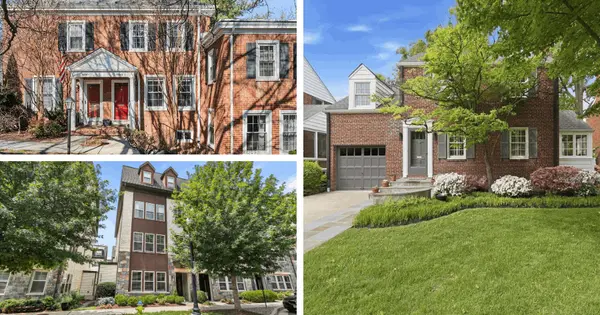
What surprises a lot of DC buyers is that a new construction home on a North Arlington street doesn't feel like it landed in from somewhere else. The mix of old and new is part of the character. Your next-door neighbor might have lived in the same house for thirty years. The trees on your street are likely older than half the homes. That gives every block a sense of being already lived-in, with new construction blending in rather than taking over.
What I tell DC families to do first
Drive the streets. Walk the streets. Visit on a weekday morning, a Saturday afternoon, and a Friday evening. See who's out, what the sidewalks are like, whether the block feels busy or quiet at the times of day that matter to your family. The home is renovable. The street isn't. Once you know which neighborhood feels right, the home search shrinks fast.
Keep exploring North Arlington
Follow along for more North Arlington neighborhood breakdowns, school guides, and weekend-by-weekend observations you won't find on a listing site. Or start with the full Arlington neighborhood library and keep going from there.
Resources & Next Steps
-
Search the Market: View all Homes for Sale in Arlington
-
Go New Construction: Explore Arlington New Builds
-
Neighborhood Deep Dive: The Complete Arlington Neighborhood Library
-
Eat Like a Local: Our 2026 Arlington Food & Drink Guide
-
Join the Club: Get Access to the Local Perks Club
-
Let's Talk Strategy: Book a Discovery Call with The Davenport Group
Recent Posts