How Do You Buy a For-Sale-By-Owner Home Safely?
How Do You Buy a For-Sale-By-Owner Home Safely?
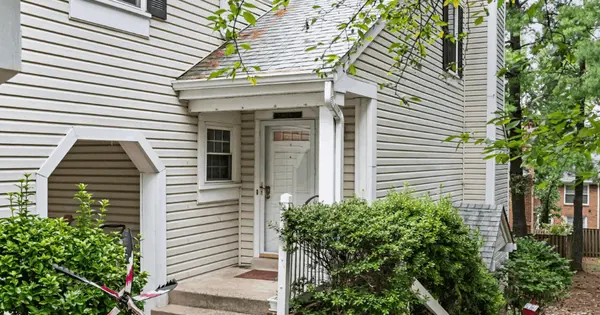
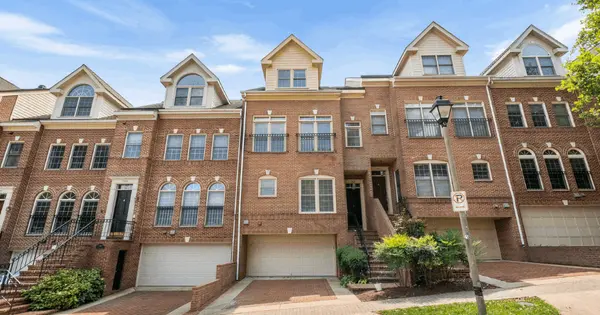
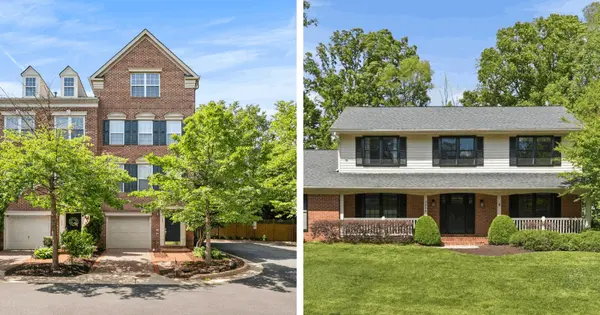
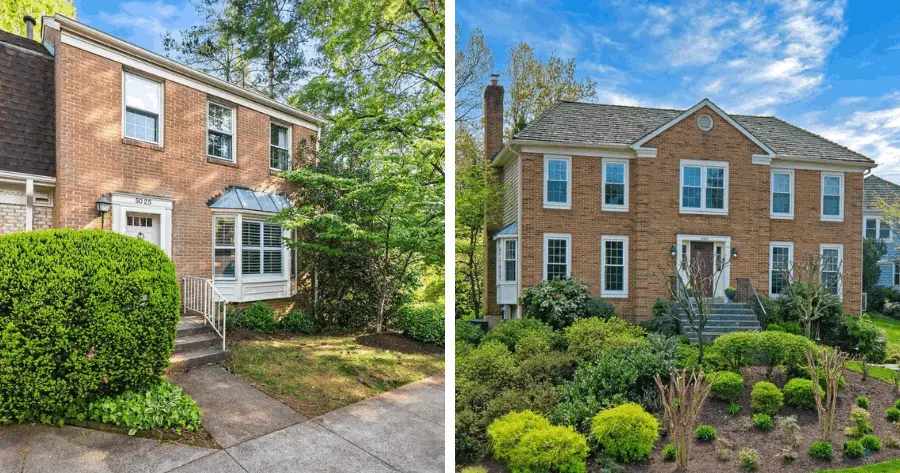
Our clients had a young family in a three-bedroom, three-bath townhouse on Domain Place in Alexandria and needed more room, but their daycare and their community were right there and they didn't want to leave. Only a handful of homes matching what they needed sell in that area in a year. The one they bought was for sale by owner and never received an MLS number. They kept their inspection, financing, and appraisal contingencies, negotiated repairs and a seller credit, and paid $1,149,000. Their townhouse closed ten days earlier at $715,000, and that money went straight into the purchase.
They'd also lost a house before this one, which matters more to the story than the one they got.
Why were they moving?
The townhouse had run out of room and they had no interest in leaving the neighborhood.
Young family, three bedrooms, and the ordinary pressure of a house that fit two people and now fits four. What made this different from most move-up searches is what they refused to trade. Their children's daycare was there. Their friends were there. The routines that make a week work with small kids were built around that specific set of blocks.
So the brief wasn't "a bigger house in Northern Virginia." It was "a bigger house here," and "here" was very small.
What made this search so hard?
Scarcity, in the most literal sense.
We weren't searching a county or a city. We were waiting on a handful of properties that might become available in one small Alexandria area over the course of an entire year. Four bedrooms, three baths, room to grow into, within a few minutes of where they already lived, at $1.1 to $1.2 million or under.
When that's the setup, you can't evaluate the market after a house appears. There isn't time, and there's no second one coming next week to compare it against.
How do you prepare for a market with almost nothing in it?
You study it before there's anything to look at.
I built them a past-sales analysis covering every relevant sale in the target area going back several years. Not active listings, closed ones.
Three things came out of that. They saw how rarely a house matching their criteria actually became available, which set expectations honestly. They saw what the best of them had sold for. And they knew what they'd need to spend when the next one came, before it came.
That's the whole preparation, and it's why the ending works.
What happened with the first house?
They lost it, and they regretted it.
A property came up early that could have worked. They made an offer and had a genuine opportunity to get it, but weren't comfortable with what it would have taken to secure it. So it went to someone else.
The dangerous part of losing a house isn't the loss. It's what regret does next. A lot of buyers respond by taking the next available thing, which is how people end up in houses that don't fit.
We didn't change the criteria. We kept preparing and waiting, and what turned up was better than what they'd lost.
The goal was never to win every house. It was to be ready for the right one.
How do you buy a for-sale-by-owner home without losing your protections?
You negotiate them, because on a FSBO nothing is standard.
The house was for sale by owner. No listing agent, no MLS number, no broad exposure to the market. That's why it was available to our clients at all, and it's also why the transaction needed handling directly with the seller rather than through the usual process.
Here's what buyers underestimate about FSBO purchases. The protections you assume come with buying a house are contract terms somebody has to ask for. A seller without an agent isn't obligated to give you an inspection contingency. Or a financing contingency. Or an appraisal contingency. An unrepresented buyer frequently doesn't know those are negotiable, and finds out later what they gave up.
We kept all three. Then we negotiated repairs and a seller credit on top of that. Buying outside the public inventory got them access to a house nobody else was competing for, and it cost them none of the safeguards a normal purchase would have included.
It also meant no bidding war, which for a family that had just lost a house they wanted was worth something beyond the money.
How did the seller's rent-back solve their financing problem?
The two sides needed the same thing without knowing it.
Our clients could technically have bought before selling. They didn't want to. Carrying two mortgages was the outcome they were trying to avoid, and they wanted the equity from the townhouse working inside the new house rather than sitting in a property they'd already left.
Meanwhile the seller needed a rent-back, extra time in the house after closing to sort out their own move.
Most buyers treat a rent-back request as a concession. We treated it as an opening. The seller wanted a longer timeline, so we negotiated one, and that timeline is precisely what gave us room to prepare, list, and sell the townhouse before the purchase closed.
What happened?
Both sides landed, in the order they needed to.
We walked their townhouse and built a preparation checklist, helped them declutter, coordinated the contractors, handled painting and repairs, and marketed it. It drew multiple offers and went under contract quickly, closing May 26, 2026 at $715,000.
The Palisades house closed June 5, ten days later, at $1,149,000. Inside the budget they'd set. The proceeds from the sale went directly into the purchase, exactly as designed, and they never carried two mortgages.
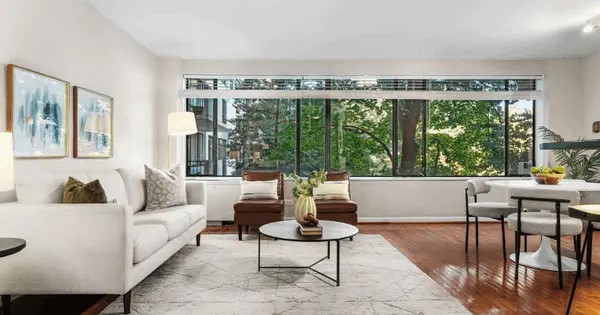
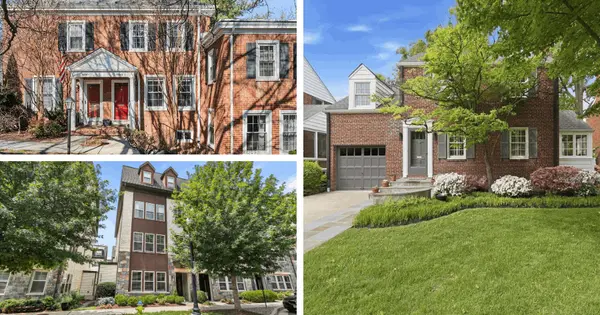
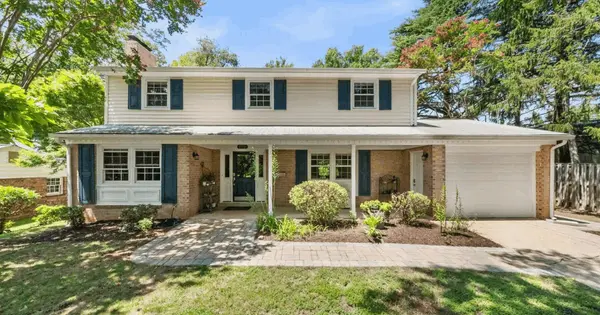
What they got is a four-bedroom, three-and-a-half-bath house on three finished levels with a yard and a garage, minutes from the daycare and the friends they'd built their life around. It's about 370 square feet larger than the townhouse, which is less than the 3,000 square feet they'd originally had in mind.
That's worth saying plainly. In a market with this little inventory, the win wasn't maximum square footage. It was the fourth bedroom, the extra bath, the yard, the garage, and not having to leave. They'd rather have the right house in the right place than a bigger one somewhere else, and given how few chances they were going to get, that was the correct trade.
We also connected them with a Citizens Bank rate-discount program, which lowered the interest rate. Programs like that change, so treat it as something we found for this transaction rather than something on the shelf today.
What I'd tell someone in the same position
Solve the financial puzzle before you find the house.
Can you buy before you sell? Do you need the equity from your current place for the down payment? How fast would it realistically sell? Could a longer closing or a rent-back create the time you need to line the two up? Those are answerable questions and you want them answered while nothing is urgent. A current valuation on your existing home is the first piece of it.
If you're targeting a neighborhood where only a few suitable homes sell a year, do the research now. Read the past sales. Learn what the good ones go for. You will not have time to figure that out when one appears.
And if you lose one, which happens, don't let that decide your next move. These clients lost a house and regretted it, and because they kept preparing instead of panicking, the next one was better.
Frequently Asked Questions
Is it risky to buy a for-sale-by-owner home?
It is riskier without representation, because the protections buyers assume are automatic are actually contract terms someone has to negotiate. A for-sale-by-owner seller is not obligated to offer an inspection contingency, a financing contingency, or an appraisal contingency, and an unrepresented buyer often does not know to ask. On this purchase we negotiated directly with the seller and preserved all three, then negotiated repairs and a seller credit on top. The house never received an MLS number, which is what made it available at all, and none of that cost our clients their protections.
How do you avoid carrying two mortgages when you buy and sell at the same time?
Buy time inside the purchase contract so the sale can close first. Our clients could technically have purchased before selling, but they wanted the equity from their townhouse in the new house rather than two mortgages running at once. The seller of the new home needed a rent-back, which meant they wanted a longer timeline anyway. We negotiated around that, which gave us room to prepare and sell the townhouse first. It closed May 26, 2026 and the purchase closed June 5, ten days later, with the proceeds rolling straight in.
What is a rent-back and how can it help a buyer?
A rent-back lets the seller stay in the home for a period after closing, usually because they need time before their own move. Buyers often see it as an inconvenience. It can be leverage. On this transaction the seller's need for extra time was the reason a longer contract timeline made sense to both sides, and that longer timeline is exactly what gave our clients room to sell their townhouse before closing. What the seller needed and what our clients needed turned out to be the same thing.
How do you shop a neighborhood where only a few homes sell each year?
You learn the market before anything is available, because there is no time to learn it afterward. In this target area only a handful of homes matching our clients' criteria sold in a typical year. We built a past-sales analysis covering every relevant sale from the preceding several years, so they could see how rarely the right property appeared, what the best ones sold for, and what they would realistically need to spend. When the opportunity came, they were not trying to work out the market and the house at the same time.
What should you do if you lose a house you wanted?
Hold your criteria instead of lowering them. These clients had a chance at an earlier house and were not comfortable doing what it would have taken to win it, and they regretted losing it. The risk after that is real: regret pushes people into the next available house rather than the right one. We kept preparing instead, and the property they eventually bought was a better fit than the one they lost. Losing a house is common and it is not evidence that you are doing it wrong.
About the author
Blake Davenport is the founder of The Davenport Group at TTR Sotheby's International Realty, the #1 real estate team in Arlington, VA by sales volume for three consecutive years per BrightMLS. He and his wife Leah started the team in 2016 and work across Arlington, Alexandria, McLean, Falls Church, Vienna, and the broader Northern Virginia market. A large share of his work is with families buying in small, low-inventory neighborhoods where the right house appears only a few times a year.
Targeting a neighborhood with almost nothing for sale?
If the house you need only comes up once or twice a year, the work happens before it does. We'll build the past-sales picture with you and sort out the financing sequence while there's no clock running.
Schedule a call with The Davenport Group
Recent Posts