Do You Have to Sell Your Home Before You Buy the Next One?
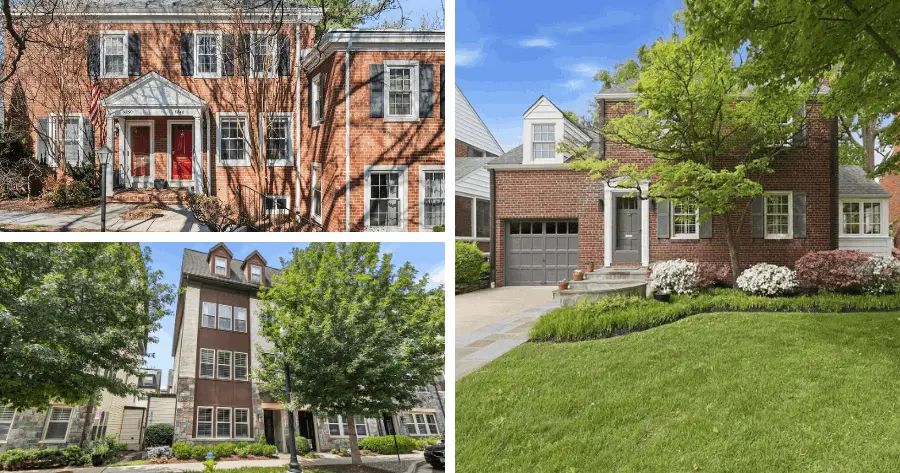
Do You Have to Sell Your Home Before You Buy the Next One?
Our clients each owned an Arlington townhouse, one in Fairlington and one in Arlington View, and wanted to combine households into a single-family home with a yard for their dog. They assumed both townhouses had to sell first. Their lender said otherwise. We sold the Fairlington townhouse for $624,900 on May 8, 2026, bought a four-bedroom house in Bluemont for $1,472,656 on June 23 against roughly five competing offers, and listed the second townhouse only after they had moved in.
One of them was a past client. Three transactions, two of them sales of properties with real objections, and one purchase in a market where the house they wanted drew a crowd.
Why were they moving?
They were combining two households into one home they could grow into.
Two townhouses between them and neither one had what they were after. They wanted a real backyard for the dog, more space than either place gave them, a garage, and a neighborhood they could stay in and raise a family. Inside the Beltway, ideally in Arlington, up to about $1.5 million, with at least four bedrooms and 1,800 square feet.
What they didn't want was to end up owning nothing and buying the first available house because they had nowhere to live.
Did they have to sell both homes before buying?
No, and that turned out to be the most important thing we learned.
They came in assuming they did, which is what nearly everyone assumes. You need the equity from the old place to buy the new one, so the old place goes first. It's reasonable and it's frequently wrong.
Before we listed anything, we sat down with their lender and looked at the whole financial picture rather than treating the three transactions as separate events. What came out of that conversation was that selling one townhouse, not both, would free up enough and improve their debt-to-income position enough for them to buy.
That single fact rearranged everything after it.
They assumed both townhouses had to sell first. The conversation with their lender is what proved otherwise, and it changed the order of the entire plan.
What order did we do it in, and why?
Sell one, buy, then sell the other.
We prepared and sold the Fairlington townhouse first, closing May 8, 2026. That freed up funds and improved their borrowing position. Four days later they were under contract on the Bluemont house, and it closed June 23. Only once they were moved in did we put the Arlington View townhouse on the market.
The reasoning is specific to this market. In Arlington, depending on your price point and criteria, finding the right house is usually the harder half of the problem. Finding a buyer for a decent townhouse is comparatively straightforward.
So you don't want to solve the easy problem first and then face the hard one with a clock running. Sell everything and you're a family in a rental with a deadline, taking whatever comes up. We used their financing flexibility to make the real estate fit their lives instead of the other way around.
What is a mortgage recast?
It's the mechanism that made the sequence work, and most people have never heard of it.
A recast takes a large lump-sum payment against an existing mortgage and recalculates the monthly payment on the smaller balance. The loan stays the same. The rate stays the same. You aren't refinancing, which means no new application, no new closing costs, and no exposure to whatever rates happen to be doing.
For our clients that meant they didn't have to wait for both townhouses to sell in order to make the biggest possible down payment. They could buy with a smaller one, then apply the proceeds from the second sale toward the balance afterward and recast, bringing the monthly payment down.
Not every loan allows it, and the terms vary. It's worth asking your lender about specifically rather than hoping.
What made each property hard to sell?
Different problems on each one, and neither was fixable.
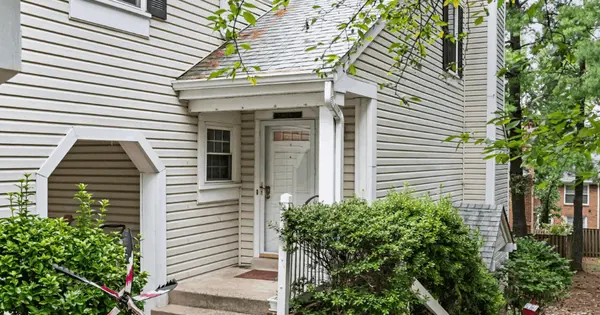
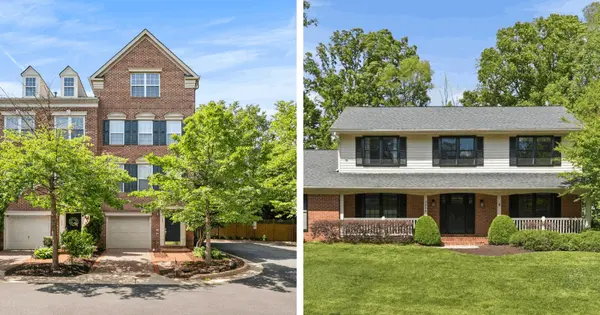
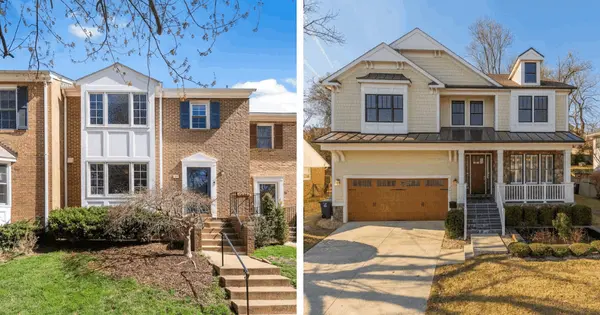
The Fairlington townhouse backed directly onto the highway, which eliminates a portion of the buyer pool before anyone walks through the door. No amount of preparation changes that, so the job is preparing the property properly and reaching the buyers for whom the trade is worth making. We helped declutter it, coordinated repairs, and got it to market.
It sold for $624,900, about $74,900 more than she had paid for it less than three years earlier.
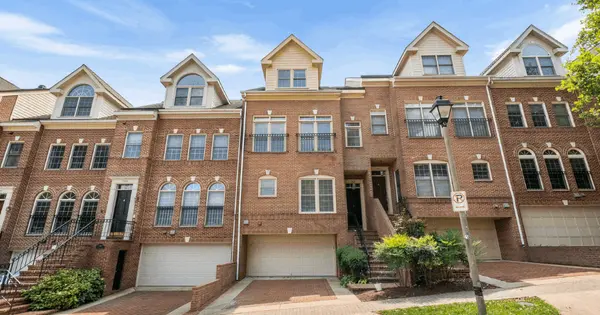
The Arlington View townhouse had the opposite problem. Very few recent sales in that community, which makes pricing and positioning genuinely difficult because the usual evidence isn't there. On top of that, by the time it went to market the market had cooled and buyer activity was down.
So we leaned on the thing we could control, which was exposure. A property video through our Discover Arlington audience reached close to 50,000 views. A buyer who saw it there scheduled a showing, and that's the buyer who put it under contract.
How do you win a house with five other offers on it?
Preparation, an offer structured to fit what the seller cared about, and knowing the person on the other side.
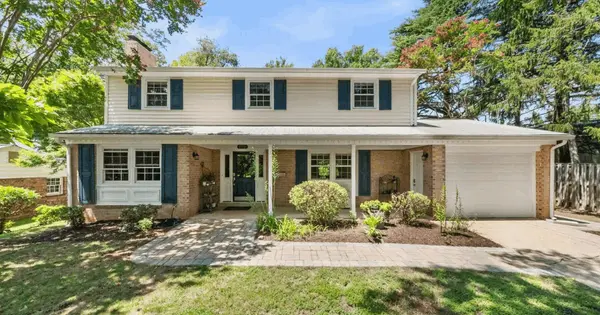
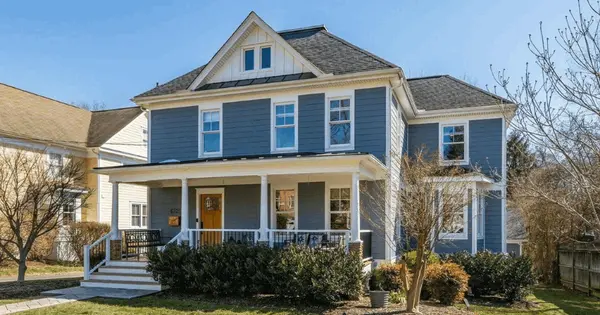
The Bluemont house drew a crowd, which was predictable. Four bedrooms, a garage, a real yard, inside the Beltway, in a neighborhood people want, listed at $1,385,000. That is precisely the combination a lot of Arlington families are chasing.
They bought it for $1,472,656, which is $87,656 above asking. I'd also worked with the listing agent before, and that doesn't win a house on its own, but it makes communication cleaner and it helps a serious offer read as serious.
The larger reason they could compete at all is that we'd already sold Fairlington and knew exactly what they could do. A buyer who doesn't know their own numbers hesitates, and hesitation is what loses houses like this one.
What happened?
All three pieces landed in sequence.
The Fairlington townhouse closed May 8 for $624,900. They signed on for the Bluemont search the same day, went under contract four days later, and closed June 23 at $1,472,656. The Arlington View townhouse went to market after they were settled and is under contract at $875,000.
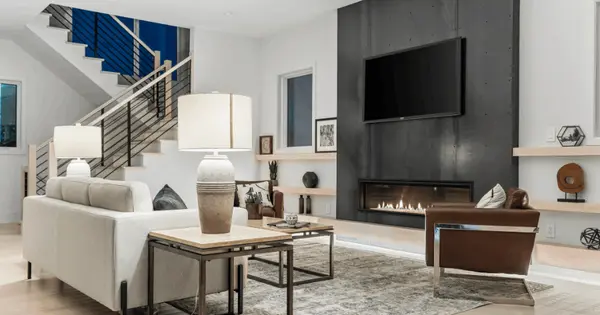
They got the yard, the garage, the space, and the neighborhood. The dog got the backyard, which was arguably the actual brief.
What they never got was the part I wanted to avoid: standing in a house they didn't love, with nowhere to live, deciding under pressure. The sequence was built so that the purchase could wait for the right house instead of the right date.
What I'd tell someone in the same position
Understand your options before you put anything on the market.
Most owners assume they must sell first because they need the equity. Sometimes that's true. Often it isn't, and you can't know which until you ask. Talk to your lender and your agent early, together if you can. Find out whether you can buy first, whether selling one property changes your debt-to-income position, whether a bridge makes sense, whether a recast would let you buy with less down and apply the proceeds later.
Because the moment you sell, the clock starts. And in Arlington the house you're trying to buy may well be harder to find than the buyer for the house you're leaving.
Flexibility built before you start is what keeps you from making a major decision simply because you ran out of time.
Frequently Asked Questions
Do you have to sell your current home before buying the next one?
Often not, and it is worth asking your lender before you assume otherwise. Our clients each owned an Arlington townhouse and assumed both would have to sell before they could buy together. After talking with their lender we found they only needed one sale to free up funds and improve their debt-to-income position. That single fact reordered the entire plan and meant they were never in the position of having sold everything and needing to buy something quickly.
What is a mortgage recast and when does it make sense?
A recast applies a large lump-sum payment to an existing mortgage and recalculates the monthly payment on the smaller balance, without refinancing the loan or changing the rate. It is useful when money arrives after closing rather than before. In this case our clients bought with a smaller down payment while one townhouse was still unsold, then applied the proceeds from that later sale toward the balance and recast, lowering the monthly payment without going through a refinance. Not every loan permits it, so ask the lender before you count on it.
In what order should you sell two homes and buy one?
Sell the one you need to sell, buy, then sell the other after you have moved. That was the sequence here: the Fairlington townhouse closed May 8, 2026, the Bluemont purchase closed June 23, and the second townhouse went on the market after they were settled. The reasoning is that in Arlington, finding the right house is usually harder than finding a buyer for the one you own. Selling everything first hands you a deadline on the harder half of the problem.
How do you sell a townhouse that backs onto a highway?
You market it to the buyer for whom the trade is worth making, and you accept that the buyer pool is smaller. A highway-adjacent property loses some buyers before they walk through the door, which is not something staging fixes. What works is preparing the property properly, pricing it honestly, and reaching the people who value what the home and the community offer. This one sold for $624,900, roughly $74,900 above what the owner had paid for it less than three years earlier.
How do you price a home when there are almost no recent comparable sales?
You widen the frame and you lean harder on marketing, because the usual pricing evidence is not available. The second townhouse sat in a small Arlington community with very few recent sales, and it went to market during a slower stretch with lower buyer activity overall. Rather than relying on comparables that did not exist, we built exposure through our own audience. A property video reached roughly 50,000 views, and a buyer who found the home through that exposure scheduled a showing and put it under contract.
About the author
Blake Davenport is the founder of The Davenport Group at TTR Sotheby's International Realty, the #1 real estate team in Arlington, VA by sales volume for three consecutive years per BrightMLS. He and his wife Leah started the team in 2016. A large share of his work is with Arlington owners moving up within the county, where the sale or sales and the purchase have to be sequenced as one plan rather than treated as separate transactions.
Own a home and thinking about the next one?
If you own a property and your next move means selling and buying, the useful conversation happens before anything is listed. We'll look at the whole picture with you, including whether you actually need to sell first.
Schedule a call with The Davenport Group
Recent Posts