How Do You Sell Your Home When You're Retiring and Moving Out of State?
How Do You Sell Your Home When You're Retiring and Moving Out of State?
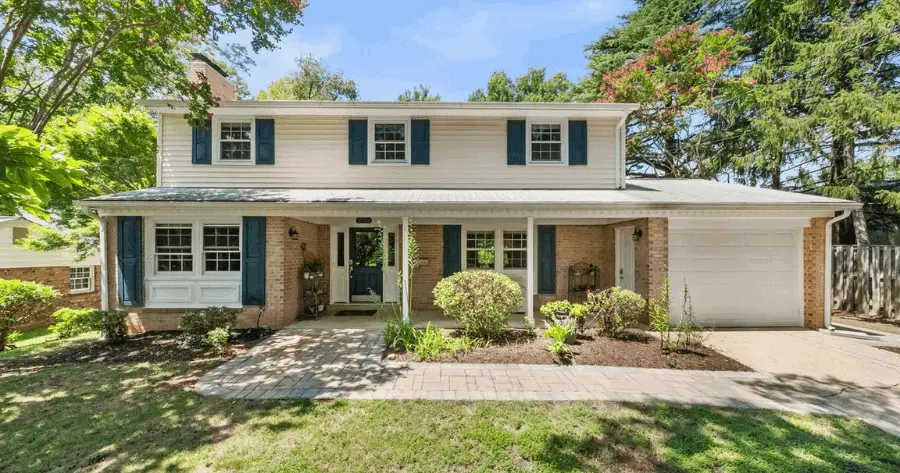
Oscar and Mari owned a single-family home just outside Falls Church City. Oscar was a government employee retiring at the end of August 2026, and they were downsizing and moving to Arizona. The summer market in Northern Virginia was slow, and they were worried the house wouldn't sell at all. We listed in August at $1,149,900. Two offers came in, and the winning one landed at $1,180,000 with contingencies waived and a longer closing timeline.
They found us through ChatGPT, looking for a team with real Falls Church experience. As it happens, I live a couple of blocks from their house.
Why were Oscar and Mari selling?
Oscar was retiring and they were ready to leave the D.C. area. They wanted to downsize and start their retirement in Arizona.
What they told me mattered most wasn't the price. It was wanting somebody to walk them through every step and handle the details. They were retiring, downsizing, and moving across the country at the same time, which is three large life events stacked into one season. They wanted to feel informed and looked after while all three happened at once.
We handled the sale only. Their Arizona purchase was theirs.
What made this a hard time to sell?
The summer of 2026 was slow. Buyer activity was limited, houses were taking longer to move, and inventory was sitting.
Oscar and Mari knew it. Their first real worry, before anything about price, was whether the house would sell at all. That's a reasonable thing to worry about when you're reading the same headlines everyone else is and you have a retirement date coming.
So the whole approach had to account for the market rather than pretend it wasn't there.
When should you list if you're retiring?
You work backward from the date you stop wanting to pay for the house.
Oscar retired at the end of August. Carrying the property past that point was money going out with nothing coming back, and it would have tangled up their move.
We looked at three windows. Listing in July, going in August, or waiting until after Labor Day.
July was out. It was the slowest stretch of an already slow summer and there was no reason to hand the house to a market with nobody in it. After Labor Day was tempting, because conditions would probably have kept improving. But that's another month of carrying costs and it runs straight into their retirement and their move.
August was the balance point. Activity had started picking up enough to justify going, and it fit their life. I'd rather list in a decent week that works for the seller than chase a theoretically perfect week that costs them a month. The timing question is always half market and half you.
The hyperlocal read mattered here too. We weren't looking at national or even regional trends. We were looking at what buyers were doing in this specific pocket of Fairfax County, which is a different picture than a headline about the national market.
What do you do about a flaw you can't fix?
You show it.
There are water tanks near this property. The reflex is to shoot around them, angle the camera away, crop them out of every frame. I think that's a mistake.
Expectations are everything in a home sale. If a house looks dramatically different online than it feels when someone pulls up to it, buyers arrive disappointed, and that disappointment lands on the house. They stop evaluating the property and start feeling misled.
We showed the surroundings accurately. Buyers knew what they were coming to see, which meant the ones who showed up were the ones who could live with it, and then the house itself was better than they expected rather than worse.
I'd rather buyers understand what they're coming to see and then be pleasantly surprised by the home itself.
We also positioned the location around what's genuinely there: proximity to Falls Church City and to the Mosaic District and Merrifield. Being straight about one thing buys you credibility on everything else.
How do you sell a house without living through months of showings?
You concentrate the activity instead of spreading it out, and you plan around everyone who lives in the house.
Oscar and Mari's second real worry was disruption. A steady stream of strangers walking through your home for weeks is exhausting under normal circumstances, and they had an elderly dog to think about.
We coordinated a hotel stay for them and the dog over opening weekend and concentrated the initial showings into that window. They left, the buyers came through, and they came back to a house that had done its work.
What did preparing the house actually involve?
I walked the property room by room with them and said what should stay, what should go, and what each space needed to show well. Then we built a plan and executed it.
That meant coordinating a moving company, putting roughly half their belongings into storage, decluttering, handling the necessary repairs, setting the listing date, and building the pricing strategy. The house had been renovated around 2018, before they bought it, so the bones were good. What it needed was space and light and fewer things in it.
They did the work. I've given plenty of sellers a preparation plan that came back half-finished. Oscar and Mari followed theirs completely, and it showed in the photos and it showed at the door.
On price, I recommended listing where we believed the house should sell rather than reaching. In a slower market an aggressive number doesn't get corrected by competition, it just sits. A realistic valuation is worth more in a slow market than an optimistic one, because there's less buyer activity to bail out a mistake.
What happened?
Two offers, in the market they were afraid would produce none.
The winning offer came in at $1,180,000 against a $1,149,900 list price, which is $30,100 over asking. The buyer waived their contingencies and gave them a longer closing timeline.
That last part was worth as much to them as the money. A longer close meant time to coordinate a cross-country move without racing a calendar, and waived contingencies meant no financing or appraisal surprise waiting to unravel things while they were packing a house and starting a retirement.
The extra equity went toward the Arizona house.
What I'd tell someone selling before a retirement move
The best strategy isn't automatically the one that produces the highest number.
Before I talk about price, I want to know what you actually need. When do you retire? When do you want to be gone? How much disruption can you stand? Are there pets or family circumstances we have to build around? How long are you willing to keep paying for a house you've left? What would make this feel like it went well to you?
With Oscar and Mari, the answers to those questions decided everything: when we listed, how we prepared, how we scheduled the showings, and how we read the offers when they came in. The way we market a house follows from that, not the other way around.
The strategy should fit your life. Not the reverse.
Frequently Asked Questions
Should you sell your home before or after you retire?
It depends on how long you are willing to carry the property, and that is a question worth answering before you pick a listing date. Oscar retired at the end of August 2026 and did not want to keep paying for a house he had left. Working backward from that date is what ruled out waiting until after Labor Day, even though the market was still improving. A retirement date is a real deadline, and a listing strategy that ignores it costs the seller money in carrying charges while chasing a theoretically better week.
Is it a bad idea to list a house in a slow market?
Not necessarily, but it changes how you prepare and how you price. The summer of 2026 was slow in Northern Virginia, with limited buyer activity and inventory sitting. We skipped July entirely, chose an August launch once activity started improving, prepared the house thoroughly, priced it where we believed it should sell rather than reaching, and concentrated showing activity into opening weekend. The house drew two offers and sold above asking. A slow market punishes a house that goes out unprepared and overpriced far more than a healthy market does.
Should you hide unattractive features in listing photos?
No. Expectations are everything in a home sale. If the photos make a property look dramatically different from how it feels in person, buyers show up disappointed and that disappointment attaches to the house itself. This property had water tanks visible nearby. Rather than shooting around them, we showed the surroundings accurately so buyers knew what they were coming to see. They arrived with correct expectations and were then pleasantly surprised by the house.
How do you handle showings when you still live in the house?
Concentrate the activity rather than spreading it across weeks, and plan around whoever lives there with you. Oscar and Mari had an elderly dog and were worried about the disruption of a constant stream of buyers. We coordinated a hotel stay for them and the dog during opening weekend and focused the initial showings into that window. They got the house sold without living through months of strangers walking through their living room.
What is the best month to list a house in Northern Virginia?
There is no universally correct month, and the honest answer is that the right week depends more on your own timeline than on the calendar. In the summer of 2026 we avoided July because activity was at its slowest. We considered waiting until after Labor Day, when conditions would likely have improved further, but that would have added a month of carrying costs and pushed past our sellers' retirement date. August was the balance point for this specific seller. Someone with a different deadline would get a different answer.
About the author
Blake Davenport is the founder of The Davenport Group at TTR Sotheby's International Realty, the #1 real estate team in Arlington, VA by sales volume for three consecutive years per BrightMLS. He and his wife Leah started the team in 2016 and work across Arlington, Falls Church, McLean, Vienna, and the broader Northern Virginia market. A large share of his work is with sellers timing a sale around retirement, a downsize, or a move out of the region.
Planning the same kind of move?
If you're retiring, downsizing, or leaving the area and trying to work out when to sell, we'll start with your timeline rather than with a price.
Schedule a call with The Davenport Group
Recent Posts