How Do You Buy a Home Before It Hits the Market?
How Do You Buy a Home Before It Hits the Market?
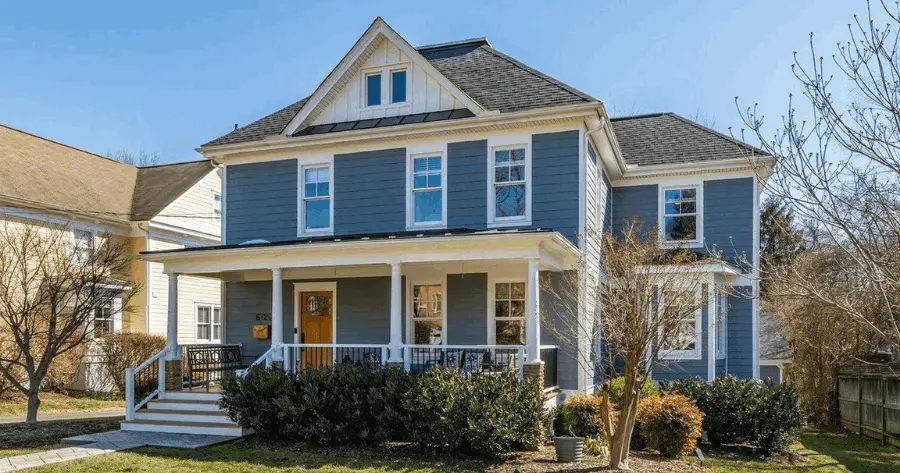
Our clients were renting in Bethesda with a lease expiring in July, two young children starting school, and one car between them. Walking to Metro wasn't a preference, it was the whole point. We found them a five-bedroom home less than a quarter mile from the East Falls Church Metro before the broader buyer pool saw it, and they closed on May 20, 2026 at $2,160,000. It appraised at the purchase price.
They came to us in early February through a past client referral. Their lease had five months left on it.
Why were they moving?
Their kids were reaching school age and they wanted a house to raise them in, not a place to land while they figured it out.
The lifestyle piece mattered just as much. They had one car and one of them had grown up in Spain, where walking to what you need is simply how life works. Getting to the Metro on foot wasn't a bonus feature on a list. It was the condition everything else had to fit around.
What made this search so narrow?
Every requirement was reasonable. Together they described a house that barely exists.
Four bedrooms or more. Three or more baths. Around 3,000 square feet. Newer construction preferred. Higher rated elementary schools, which for them meant a GreatSchools rating around 7 or better. Walking distance to Metro. Roughly $2 million. Any one of those is easy. All of them at once, in Arlington, is a very short list of houses.
Layer the school requirement on top of the Metro requirement and the map shrinks fast.
Why the neighborhoods around East Falls Church?
Because that's where the requirements actually overlapped.
We looked at East Falls Church, Westover, Tuckahoe, Lee Heights, parts of Falls Church City, and further into North Arlington around Yorktown. Several of those are excellent and several would have worked on schools and space.
But every additional block away from the station traded against the thing they'd built the whole search around. A house that's a fifteen-minute walk from Metro isn't a slightly worse version of a house that's a four-minute walk. For a one-car family it's a different life.
So we concentrated on the blocks near the station and accepted that this made the inventory thin.
How do you find a house that isn't listed?
You stop searching and start asking.
When the public inventory doesn't contain what someone needs, no amount of refreshing a search will produce it. What produces it is knowing the agents who work these blocks and hearing about a house while it's still a plan rather than a listing.
That's what happened here. We got our clients in front of the property before the broader buyer pool had a chance at it, and got it under contract without them ever having to outbid anyone.
This is worth being clear about, because "off-market" gets used loosely in real estate. What it meant practically was that they saw the house early, evaluated it on their own timeline, and never sat in the position of writing an escalation clause and hoping.
They didn't need me to tell them it was the right house. They needed to be able to see it themselves.
How do you decide quickly without deciding rashly?
You do the analysis before the house exists.
These were careful buyers. They kept asking the same three questions in different forms: are we rushing, how do we know this is right, how do we know it's worth what we're paying. Those are good questions and they deserved real answers rather than reassurance.
I was an industrial engineer before this, which I mention only because it's why we got along. They wanted someone who would help them evaluate a decision, not someone who would tell them to hurry.
So we spent the early weeks on preparation instead of showings. We went through past sales and comparable properties across the neighborhoods on the list, so they understood what their budget actually bought in each one and what a fair price looked like. By the time the right house appeared, they weren't taking my word for anything. They could read it themselves.
Did they get what they set out to find?
Not exactly, and that's the interesting part.
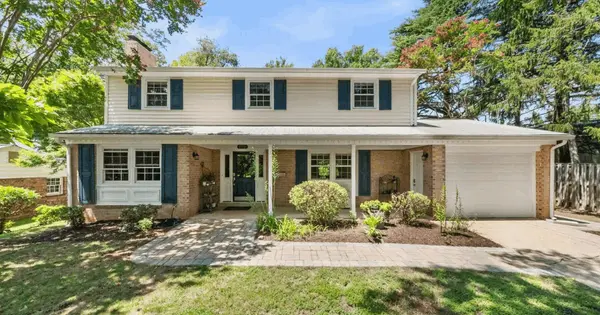
They'd started out preferring newer construction at around 3,000 square feet. What they bought is a foursquare built in 1920, renovated top to bottom in 2013, at 4,723 square feet on a third of an acre that backs onto parkland.
On paper that house misses two of their stated criteria. In practice it beat everything else on the list, because it delivered the things underneath the criteria: the walk to Metro, the schools, and considerably more room to grow than they'd been looking for.
That only works if a buyer understands the market well enough to recognize it. A buyer running down a checklist would have passed on this house for not matching the checklist.
What about the lease deadline?
It was real, and I didn't want it making their decision for them.
They contacted us February 5 and we were working together by February 17. They went under contract April 5 and closed May 20, roughly six weeks before they had to be out of Bethesda.
That margin existed because they started early. A buyer who begins in June with a July lease has no ability to say no to a mediocre house, and sellers can feel that.
What happened?
They closed May 20, 2026 at $2,160,000, above the roughly $2 million they'd first had in mind.
The stretch was a decision, not a slip. We'd already established that Metro proximity, schools, and room to grow outranked holding a round number, so when a house arrived that delivered all three, the extra wasn't a surprise. The home appraised at their purchase price, which mattered more than usual here: with no competing offers there was no bidding war to tell them the number was reasonable. The appraisal was the confirmation instead.
They're less than a quarter mile from the Metro. They never competed against another buyer for it. And they were unpacked before their lease ran out.
What I'd tell someone renting with a lease clock running
If your lease ends in July, don't start looking in June.
Treat it as five to eight months, especially if you have real requirements around schools, Metro, size, or condition. Learn the neighborhoods on foot. Read past sales, not just active listings. Work out in advance which of your criteria are actually non-negotiable and which ones you invented.
Because when something genuinely rare turns up, and off-market opportunities usually turn up with very little warning, you may have a day or two to decide. Preparation is the only thing that lets you move that fast without feeling reckless.
Frequently Asked Questions
How do you find off-market homes in Arlington?
Through an agent's local network rather than through a search tool, because by definition these properties are not anywhere you can look. Agents who work an area consistently hear about houses before they are listed: a seller deciding, an agent preparing a listing, a neighbor mentioning a plan. On this purchase the clients' criteria were narrow enough that the public inventory was not producing the house, so the network was the search. They saw the property before the broader buyer pool did and were under contract without competing against other offers.
How early should you start looking if your lease is expiring?
Give yourself five to eight months, especially with specific requirements around schools, Metro access, size, or condition. These clients reached out in early February for a lease expiring in July, went under contract April 5, and closed May 20, about six weeks before they had to be out. Starting in June for a July lease means every decision is made under pressure, and pressure is what produces the purchase people regret.
How do you know you are not overpaying when there are no competing offers?
You do the comparable analysis yourself instead of letting a bidding war tell you. A competitive situation is a crude form of price validation: if six people want it at that number, the number is probably right. Buying off-market removes that signal, so the analysis has to replace it. We walked these clients through past sales and comparable properties before they committed, so they understood what similar homes had actually sold for. The purchase was later validated when the home appraised at the price they paid.
What Arlington neighborhoods let you walk to Metro and still have higher rated schools?
The neighborhoods around East Falls Church Metro are among the few places that combine walkable Metro access with single-family housing stock and strong school assignment. We looked at East Falls Church, Westover, Tuckahoe, Lee Heights, parts of Falls Church City, and further into North Arlington around Yorktown. Every step away from the Metro traded against the walkable life these clients wanted, which is what narrowed the search to the blocks nearest the station.
Should you stretch above your budget for the right house?
Sometimes, and the way to answer it is to decide in advance which criteria are genuinely non-negotiable. These clients started at roughly $2 million and paid $2,160,000. That was a considered decision rather than an emotional one, because we had already worked out that Metro proximity, schools, and room to grow mattered more than holding a round number. Deciding what you will stretch for before you are standing in the house is the difference between a stretch and a mistake.
About the author
Blake Davenport is the founder of The Davenport Group at TTR Sotheby's International Realty, the #1 real estate team in Arlington, VA by sales volume for three consecutive years per BrightMLS. He and his wife Leah started the team in 2016. He was an industrial engineer before real estate, and a large share of his work is with analytical buyers who want the market explained rather than the decision made for them.
Renting with a deadline coming?
If your lease ends next year and you already know roughly what you need, the useful conversation happens now rather than in month ten. We'll map the neighborhoods and the numbers with you first.
Schedule a call with The Davenport Group
Recent Posts