What Do You Do When a House Doesn't Sell in Six Months?
What Do You Do When a House Doesn't Sell in Six Months?
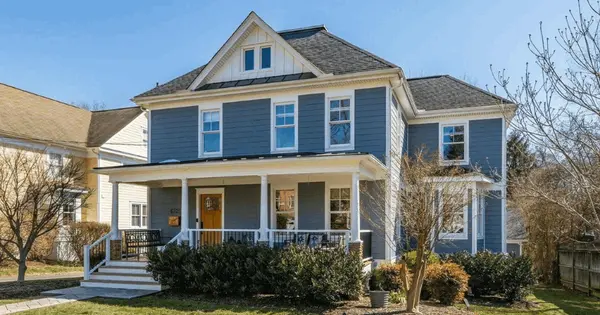
A local development company had torn down a house in Arlington Forest and built a six-bedroom, five-and-a-half-bath new-construction home, 4,710 square feet across four finished levels. Listed with Redfin, it sat about six months without selling while the carrying cost ran roughly $10,000 a month in interest. We repriced it, restaged it, rebuilt the marketing, and relaunched in late January 2026. Two offers came in around 30 days, both with contingencies waived. It sold for $2,315,000 and closed March 20, 2026.
This one wasn't a family moving. It was a builder with a finished product, a deadline made of interest payments, and a house the market had already looked at and declined. The property had been listed with Redfin for roughly six months before we got involved.
Why hadn't the house sold?
Two problems, and they compounded each other.
The first was price relative to the neighborhood. At roughly $2.3 million this was by a wide margin the most expensive house Arlington Forest had seen. The next-highest sales there over the preceding several years ran closer to $1.5 to $1.7 million. No comparable nearby supported the number in the way an appraiser or a cautious buyer would want.
The second was that the house had already been sitting. We weren't launching something the market had never seen. We were asking buyers to reconsider a property they'd already passed on, some of them more than once.
Meanwhile the developer was paying roughly $10,000 a month in interest to keep owning it. Waiting was not a neutral option.
What did the developer actually need?
To get out without losing money, and to do it soon.
Right before we launched, he called and told me he genuinely couldn't go below about $2.25 million without turning the project into a real financial problem. That single sentence set the whole strategy.
If $2.25 million was the floor, listing at $2.25 million would have been a mistake. You don't start at your floor, because then every negotiation moves you into a loss. And this wasn't a property where I could reasonably assume a bidding war would carry us upward from a low number.
So we launched at $2.3 million: close enough to the market to be credible, far enough above the floor to leave somewhere to go.
What does repositioning actually mean?
Changing everything about how a property is presented, without changing the property.
Relisting is putting the same house back online with a different agent's name on it. Buyers who already declined see the same photos and decline again. That's not a strategy, it's a hope.
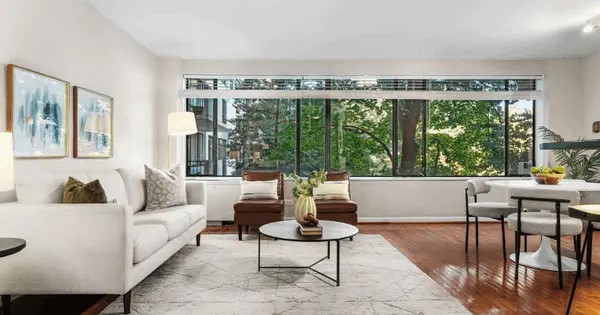
We changed the staging. We rebuilt the presentation from the ground up. We revised the pricing. We timed the relaunch. And then we surrounded the house with content and exposure from several directions at once rather than treating marketing as photographs in the MLS.
The house itself never changed. What changed was how the market saw it.
How do you reach a buyer the neighborhood doesn't contain?
You stop marketing to the neighborhood.
A buyer paying $2.3 million in Arlington Forest is not the buyer who bought at $1.6 million down the street. They're someone who wants new construction, wants to be near Ballston Metro and across from Lubber Run Park, and is comparing this house against options in other neighborhoods entirely.
So we built the reach. We hosted open houses. We ran an extensive social campaign around the property, and we used the house as the backdrop for our 100 Days of New Construction educational series, which put the property in front of well over 100,000 views. We ran a YouTube advertising campaign that generated close to 100,000 more. We used our Discover Arlington audience, and we used the reach TTR Sotheby's International Realty gives a property at this price point.
I'd also lived in Arlington Forest myself, which helped in a way that's hard to quantify. I knew what the neighborhood actually offered a buyer, not just what the tax records said about it.
Why relaunch in late January?
To be in front of the spring market rather than in it.
Buyers start looking well before the spring inventory arrives. Launching in late January meant we were established and gathering attention while other sellers were still deciding whether to list in April.
Waiting longer would have been the safer-feeling choice and the more expensive one. Every additional month cost the developer another $10,000. Timing here was a financial decision, not a marketing preference.
What happened?
Around 30 days after the relaunch, two offers.
That's the number that mattered, because one offer is a negotiation with yourself. Two let me work them against each other and improve both the price and the terms. Both buyers were willing to waive their contingencies.
The winning offer came in about $15,000 above the $2.3 million asking price, at $2,315,000, with all contingencies waived. It closed roughly three weeks later, on March 20, 2026.
The developer had been looking at a loss on the project. Instead he came out roughly even and stopped paying $10,000 a month to own a house he'd already finished.
I want to be straight about what that outcome is. This was not a windfall. It was a rescue. Six months of carrying costs came out of that project before we ever got involved, and no amount of marketing gets that back.
What I'd tell a builder or seller in the same position
The lowest commission doesn't produce the highest net.
The developer listed with Redfin first, and the logic behind that is clean and it isn't stupid: pay less to sell the house, keep more of the proceeds. On an ordinary property in an ordinary price band, that arithmetic often holds.
It stops holding when the house doesn't sell. At roughly $10,000 a month in carrying cost, six extra months on the market is $60,000, which swallows any commission savings and then keeps eating. The real question on an unusual property isn't what the sale costs. It's what failing to sell costs, and how much the strategy reduces that risk.
And when you're selling the most expensive house a neighborhood has ever seen, presentation stops being decoration. You have to know who the buyer is, be able to explain why the property earns its premium over everything around it, and reach that person through more than a listing in the MLS.
Frequently Asked Questions
What should you do if your house didn't sell with your first agent?
Reposition it rather than relist it. Buyers who already passed on a property will pass again if the only thing that changed is the name on the sign. On this Arlington Forest house we changed the staging, rebuilt the presentation, revised the pricing strategy, timed the relaunch for the start of the spring market, and surrounded the property with marketing from several directions at once. It had sat roughly six months without selling. After the relaunch it drew two offers in about 30 days and sold for $2,315,000.
How do you price a home when there are no neighborhood comparables?
You accept that the comparables will not do the work and let positioning carry it instead. This house was by a wide margin the most expensive in Arlington Forest, where the next-highest sales over the preceding years ran closer to $1.5 to $1.7 million. Nothing nearby justified the number in the traditional way. What made the price defensible was identifying the buyer who would pay it, explaining clearly why the property warranted a premium over older neighborhood stock, and reaching that buyer through more channels than an MLS listing.
Does a discount commission actually save a seller money?
Not if the house does not sell. The developer on this project listed with Redfin on straightforward logic: pay less to sell, keep more. The property then sat about six months while the carrying cost ran roughly $10,000 a month in interest. Six months of that dwarfs any commission difference. This is not an argument that a lower-commission model never works, because on an ordinary property in an ordinary price band the arithmetic often holds. It is an argument that on an unusual or luxury property the real question is not what the sale costs, it is what a failure to sell costs.
How long should you wait before cutting the price after relaunching?
Longer than most people are comfortable with, if the strategy is sound. We relaunched this house in late January and held the price rather than cutting when the first weeks passed without an offer. Around the 30-day mark two offers arrived, and having two let us negotiate them against one another and improve both price and terms. Cutting at day 20 would have surrendered that. The judgment is whether the plan is working slowly or not working at all, and those look similar early on.
Why does staging matter on a brand-new house?
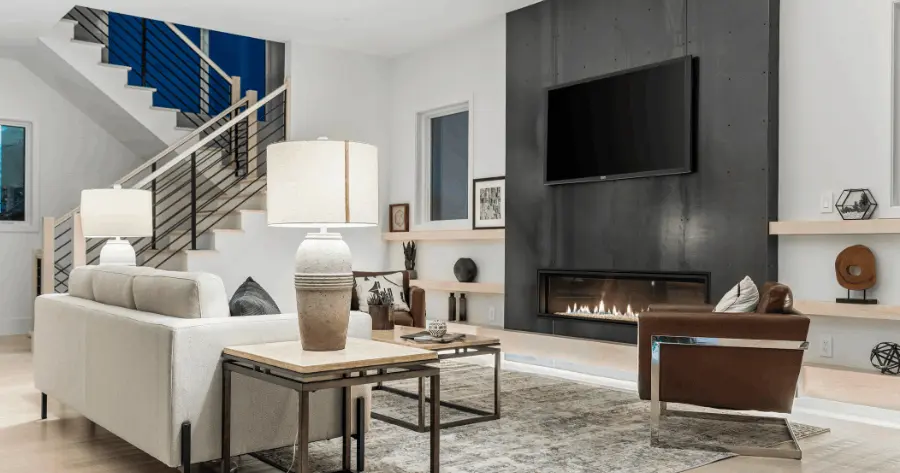
Because an empty or poorly staged new build gives a buyer nothing to react to, and at a premium price the buyer needs a reason to stretch. This house was already finished and had not sold. We changed the staging and rebuilt the presentation around a different story, and the physical house never changed at all. What changed was how the market read it.
About the author
Blake Davenport is the founder of The Davenport Group at TTR Sotheby's International Realty, the #1 real estate team in Arlington, VA by sales volume for three consecutive years per BrightMLS. He and his wife Leah started the team in 2016. He works regularly with Arlington builders and developers on new-construction sales, including properties that sit above their neighborhood's established price range.
Have a property that hasn't sold?
If you're a builder or a seller sitting on a listing that isn't moving, the fix usually isn't a new sign in the same yard. We'll tell you what we'd change and what we think it's worth.
Schedule a call with The Davenport Group
Recent Posts