Moving From DC to McLean VA | The Davenport Group
How Do You Choose Between Arlington, Falls Church City, and McLean?
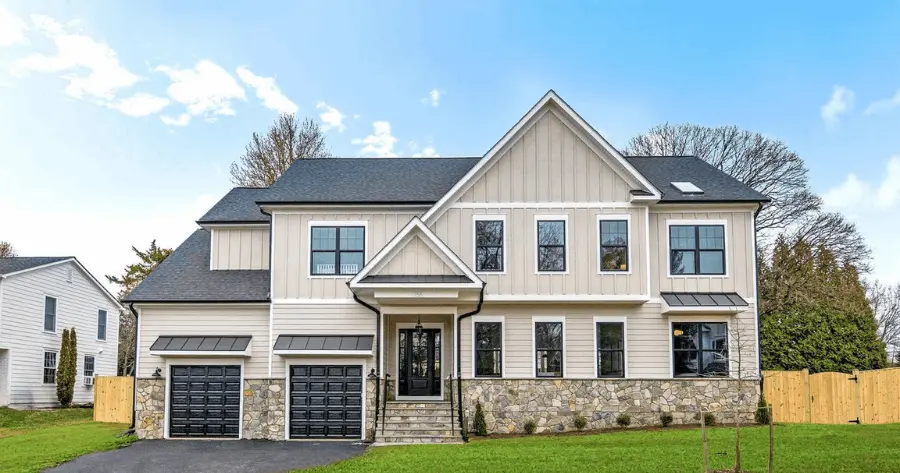
Our clients had a one-year-old and a townhouse in Northwest Washington, DC They wanted new construction, higher rated schools, real space, a commute under forty minutes, and easy airport access, all under $2.5 million. We spent several months comparing McLean, North Arlington, and Falls Church City before they made a single offer. The McLean house they bought went under contract within a couple of days of listing. They closed in April 2025 at $2,500,000, at list price, on a 6-bedroom, 5.5-bath house, and kept the DC townhouse as a rental.
They were past clients. We'd worked together before, which meant we could skip the part where everyone figures out how the other person operates.
Why were our clients leaving DC.?
They'd had their first child and were ready for more space and a different rhythm.
They were tired of the city and wanted a Northern Virginia community to raise a family in, with higher rated schools and room to grow, without giving up convenient access back into DC One of them worked downtown. They also traveled often, so getting to an airport without a production mattered more than it does for most buyers.
That combination is what set the geographic boundaries. Everything else came out of it.
Why did I tell them to keep their DC townhouse?
Because holding it looked like the better long-term financial position for them, and nobody had asked the question yet.
The default assumption when people move to the suburbs is that the city house funds the next one. Sometimes that's right. In their case I thought keeping the townhouse as a rental was worth more over time than converting it to a down payment, so that's what I recommended.
They kept it. They bought in McLean without having to sell one asset to buy the next, and they still own the DC property.
I bring it up because it's the kind of conversation that should happen before anyone lists anything, and it frequently doesn't.
How do you actually choose between Arlington, Falls Church City, and McLean?
You go spend time in them, because the data won't tell you.
We narrowed the search to Falls Church City, parts of North Arlington, and parts of McLean based on schools, space, the commute, and airport access. On paper, all three cleared the bar. The commute stayed in the thirty to forty minute range from any of them.
But living in each one feels entirely different, and that difference is invisible in a listing. North Arlington and McLean can satisfy the same checklist and produce completely different Saturdays. So can Falls Church City.
Coming from DC, they were used to a particular way of living, and part of the job was helping them understand what they'd be trading and what they'd be gaining in each place rather than picking a name off a map.
What does six months of research actually look like?
Two things, done repeatedly.
First, past sales. Not active listings, closed ones. We went through what their budget had actually purchased in each of the three markets over the preceding months, so that when a house appeared they'd know instantly whether it was priced well, priced high, or priced like something was wrong with it. Most buyers learn that after they've lost two houses.
Second, weekends. I told them to go experience the places. Visit the farmers market. Walk around on a Sunday. Drive the commute at the hour he would actually drive it. Figure out what an ordinary Saturday morning looks like in each town.
They had no hard deadline, which is what made this possible. We used the flexibility instead of letting it turn into drift.
They spent six months preparing so they could make the decision in 48 hours.
How do you buy a house that sells in two days?
You finish thinking before it lists. The new construction home they bought went on the market and was under contract within a couple of days. That's what good new construction does here in spring, and it means the buyer who gets it is almost never the one who reacted fastest. It's the one who had already decided what they wanted.
When it listed, they weren't starting from zero. They understood McLean. They knew the comparable sales. They knew what else $2.5 million would buy them in two other markets. And they knew this house matched what they'd spent months defining.
So we wrote a strong, clean offer immediately and took the property off the market at list price before anyone else got the chance to compete for it.
That's the whole trick. Buying at list price in a spring market isn't luck. It's what preparation looks like from the outside.
What about the financing?
We connected them with a Citizens Bank program that cut close to a full percentage point off their rate through a partner relationship, which came to roughly $500 a month.
Programs like that change and get pulled, so treat it as something we found for this transaction rather than something sitting on a shelf today. The general point holds though: ask your lender what relationship pricing exists before you assume the quoted rate is the rate.
What happened?
They closed in April 2025 at $2,500,000, at list price, on a new-construction house in McLean.
They got the space, the schools, the location, and a home that needed no work on day one, which was the point with a one-year-old in the house. They stayed inside their budget. They've since made their own updates to make it theirs.
And they still own the Northwest DC townhouse, which is now a rental rather than a thing they had to sell to make this happen.
What I'd tell someone moving from DC with a young family
Treat it as a six to eight month process, even though the purchase itself might take a weekend.
Spend the early months on homework. Explore the neighborhoods on foot. Read past sales, not just active listings. Go to the farmers markets. Drive your commute at rush hour, not at noon. Work out what $2 million or $2.5 million genuinely buys in Arlington versus Falls Church City versus McLean, because the answer is different in each and the difference is large.
The irony is that after six months of preparation, you may get twenty-four or forty-eight hours to make the actual call.
The more you've done beforehand, the less likely you are to freeze when the right house appears, and the better positioned you are to move before somebody else does.
Frequently Asked Questions
How long does it take to move from DC to Northern Virginia?
Plan on six to eight months, even though the purchase itself can happen in a weekend. Our clients spent several months comparing McLean, North Arlington, and Falls Church City before they made an offer, and the house they bought went under contract within a couple of days of hitting the market. The long part is not finding a house. It is working out which community your family actually fits, because moving from DC to Northern Virginia changes your daily life, not just your address.
Should you sell your DC home or keep it as a rental when you move to the suburbs?
It depends on the numbers, and it is worth asking rather than assuming you have to sell one to buy the next. When our clients started, the default assumption was that the DC townhouse would fund the McLean purchase. Our recommendation was to keep it, because holding the property looked like the better long-term financial position for them. They bought in McLean and kept the townhouse as a rental. That will not be the right answer for everyone, but it should be a question rather than a foregone conclusion.
What is the difference between living in Arlington, Falls Church City, and McLean?
All three can satisfy the same checklist of schools, space, and commute, and they feel entirely different to live in. That difference is not visible in listing data, which is why comparing them on paper does not settle it. The way to answer it is to spend weekends in each one: visit the farmers market, walk the streets, drive the commute at the hour you would actually drive it, and picture an ordinary Saturday morning. Our clients did that for months before choosing McLean.
How do you compete for new construction in Northern Virginia?
By being ready to decide before the house exists. Good new construction in this market can go under contract within days, which means the buyer who wins is usually the one who did the work in advance rather than the one who reacted fastest. Our clients had already studied comparable sales, understood what their budget bought in each of three markets, and knew what they were looking for in a new build. When the right house listed, they made a strong offer immediately and took it off the market at list price.
What should you look for when buying new construction with a young child?
Whether it is genuinely finished. Move-in ready is a phrase that gets used loosely, and the difference between a home that needs nothing and one that needs a punch list of projects matters enormously when you have a one-year-old. Their priority was a house that required no renovation work after closing, which narrowed the search considerably and was worth the narrowing.
About the author
Blake Davenport is the founder of The Davenport Group at TTR Sotheby's International Realty, the #1 real estate team in Arlington, VA by sales volume for three consecutive years per BrightMLS. He and his wife Leah started the team in 2016 and work across Arlington, McLean, Falls Church, Vienna, and the broader Northern Virginia market. A large share of his work is with families moving out of Washington, DC, and with buyers in the luxury and new-construction segments.
Starting the same search?
If you're thinking about leaving DC for Northern Virginia and trying to work out which community fits, the right time to start is well before you're ready to buy.
Schedule a call with The Davenport Group
Recent Posts