Selling an Arlington Rental Property | The Davenport Group
When Should You Sell an Arlington Rental Property?
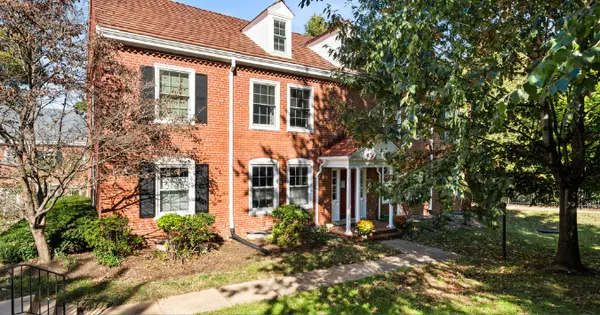
Our clients bought a house in Rock Spring in North Arlington for roughly $900,000, then moved to Texas for work and kept it as a rental. When they first asked whether to sell, we told them not to. A year later they were done being landlords. We sold the 3,806-square-foot house for $1,590,000 in May 2026, on an offer that came in the first week with contingencies waived.
I met these clients at an open house years ago and helped them buy this house. Somewhere in the years since, they stopped being clients and became family friends. That matters to how this one went.
Why were our clients selling?
They were tired of being landlords.
That's the whole reason, and it's a better reason than it sounds. They'd moved to Texas for work more than five years after buying the house, kept it as a rental, and watched it appreciate substantially. The investment worked. What stopped working was managing a property from two time zones away.
This wasn't a move-driven sale. They were already settled in Texas. They were selling a former home that had turned into an investment, and they'd reached the point where the return no longer justified the headache.
Why did I tell them not to sell a year earlier?
Because at the time, I thought holding was the better financial decision for them, and that's what I told them.
They came to me asking whether to sell. I ran through it and recommended they keep renting. My job isn't to talk somebody into listing a house so I can put my sign in the yard. It's to tell them what I think is right for them, and that year, right meant holding.
A year later they came back and said they understood the math and were done anyway. At that point the recommendation changed, because the question had changed. It was no longer "what maximizes return." It was "we're finished, get us out well."
I've owned around ten rental properties myself and I've sold most of them for exactly this reason. Being a landlord has a cost that never shows up on a spreadsheet.
A year before this sale, they asked me whether they should sell. I told them no.
What made this house harder to sell than most Rock Spring homes?
The address. The house sits at Harrison Street and Williamsburg Boulevard, a busy intersection, and busy intersections shrink the buyer pool no matter what the house itself looks like. Rock Spring is almost entirely single-family and quiet, which makes a corner like that stand out against the rest of the neighborhood rather than blend in.
It also had two front doors, which is unusual for the area and one more thing a buyer has to get their head around.
They knew all of this and it was their main worry. They had real equity in the house and didn't want to hand some of it back just because the location would knock out part of the market.
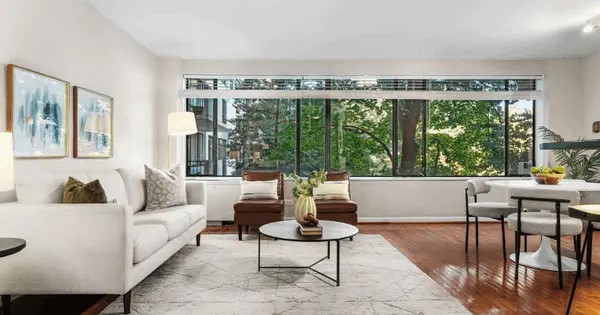
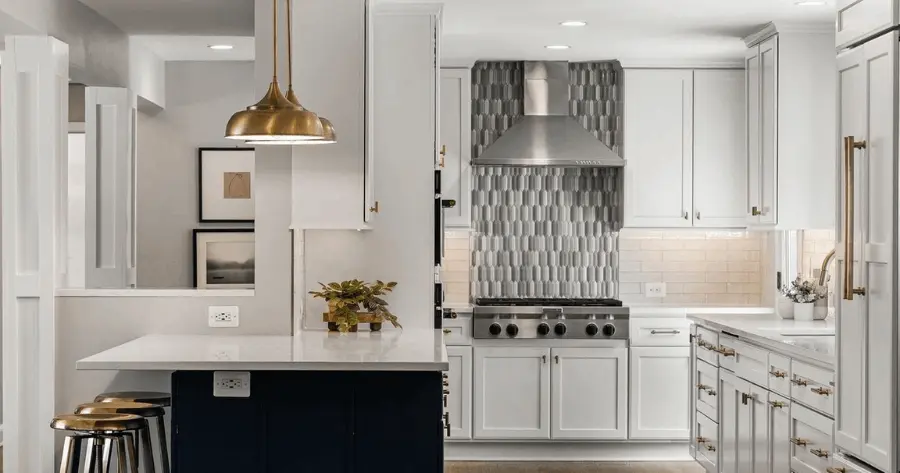
So we built the marketing around what a buyer was getting in exchange: a renovated kitchen, a renovated backyard, 3,806 square feet across four bedrooms, and a price per square foot that's hard to find in North Arlington. The location trade is real, and pretending otherwise doesn't sell a house. Naming it and then showing what you get for it does.
Should you price a house low to start a bidding war?
I recommended against it here, and I'd push back on it as a default strategy generally.
Underpricing works on one condition: enough buyers compete to drive the number back above where you started. When that happens it's effective. When it doesn't, the low list price stops being a floor and becomes a ceiling.
On a house at a busy intersection, you already know a chunk of the buyer pool is out before they ever schedule a showing. Betting on a bidding war under those conditions is betting on competition you have reason to think won't show up.
We listed at $1,599,900, close to where we believed the house should land, and put the work into positioning instead of into a discount.
How do you prepare and sell a house from another state?
You hand it to someone local who will manage the physical work. Our clients were in Texas for all of it. We coordinated the painters, handled last-minute repairs, met with and directed the stagers, oversaw the preparation, built the pricing and positioning strategy, and ran the launch and the negotiations. The full listing process happened without them getting on a plane.
Speed was part of the job. A vacant rental costs the owner money every week it sits empty, so we compressed the gap between the tenants moving out and the house going active rather than letting it drift.
We also ran it well past the MLS. Our marketing reaches an Arlington audience through Discover Arlington that a standard listing doesn't touch, which matters more, not less, on a house that needs the right buyer rather than every buyer.
What happened?
An offer came in after the first week on the market. We negotiated it to $1,590,000, which is $9,900 under the $1,599,900 asking price, with the buyers waiving their contingencies.
Waived contingencies mattered here. It meant no appraisal risk hanging over a house with a location objection, which is exactly the kind of uncertainty that can unravel a deal after everyone's already relaxed.
They'd paid roughly $900,000 six or seven years earlier. That's about $690,000 in appreciation on a house they lived in, then rented, then sold.
They were happy about the money. What came through more was relief. They loved that house and it did well by them, and they were ready to be done.
What I'd tell someone deciding whether to sell a rental
The best financial decision and the best personal decision aren't always the same one, and you're allowed to pick the second.
Ask somebody you trust to run the numbers honestly, including the case for holding. If an agent never tells anyone to keep their property, you're not getting advice, you're getting a listing pitch. A current valuation is where that conversation starts, not a guess about what the house might be worth.
Then be honest with yourself about the part that isn't math. Managing a rental from another state costs you attention and weekends and a low hum of obligation that doesn't appear anywhere in a return calculation. If you're done, being done is a legitimate answer, and the work then is to maximize what you built on the way out.
Frequently Asked Questions
Should you price a house below market value to attract multiple offers?
Not always, and on a property with a location objection it can backfire. Underpricing works when you are confident enough buyers will compete to push the price back above where you started. When part of the buyer pool eliminates a house on sight, as happens with a busy intersection, that competition may not materialize, and then the low list price becomes the ceiling instead of the floor. On this Rock Spring sale we priced close to where we believed the house should land, marketed its strongest features, and took an offer in the first week at $1,590,000.
Does a busy intersection hurt a home's value in Arlington?
It shrinks the buyer pool more than it lowers the value. Some buyers will not consider a house at a busy intersection no matter what else is true about it. The buyers who do consider it are usually getting more house for the money, which is the honest trade and the thing worth marketing. This house sat at Harrison Street and Williamsburg Boulevard with a renovated kitchen, a renovated backyard, and 3,806 square feet, and it sold for $1,590,000 against a $1,599,900 list price.
How do you sell a rental property when you live out of state?
You need someone local who will manage the physical preparation, not just list the house. our clients were in Texas. We coordinated the painters, managed last-minute repairs, met with and directed the stagers, oversaw the property preparation, built the pricing and positioning strategy, and ran the launch and negotiations. Speed matters too, because every week between a tenant moving out and the house going active is a week of carrying costs with no rent coming in.
Is it worth keeping an Arlington home as a rental?
It depends on the numbers and on how much you want to be a landlord, and those two answers are often different. When our clients first asked about selling, the recommendation was to keep renting, because the financial case favored holding at that point. A year later they were done managing a property from another state, and that changed what the right answer was. Being a landlord carries a cost that does not appear on a spreadsheet.
What needs to happen between a tenant moving out and listing the house?
Painting, repairs, and staging, and the goal is to compress that window as tightly as possible. A vacant rental costs the owner money every week it sits, so the gap between the last tenant leaving and the house going active is pure carrying cost. On this sale we lined up the painters, the repair work, and the stagers so the property went from tenant-occupied to market-ready without dead weeks in between.
About the author
Blake Davenport is the founder of The Davenport Group at TTR Sotheby's International Realty, the #1 real estate team in Arlington, VA by sales volume for three consecutive years per BrightMLS. He and his wife Leah started the team in 2016. He has owned roughly ten rental properties himself, and a large share of his work is with out-of-state owners deciding whether to sell an Arlington property or keep renting it.
Weighing the same decision?
If you own an Arlington property you're renting out and you're trying to work out whether to sell, we'll run the numbers with you, including the case for holding onto it.
Schedule a call with The Davenport Group
Recent Posts